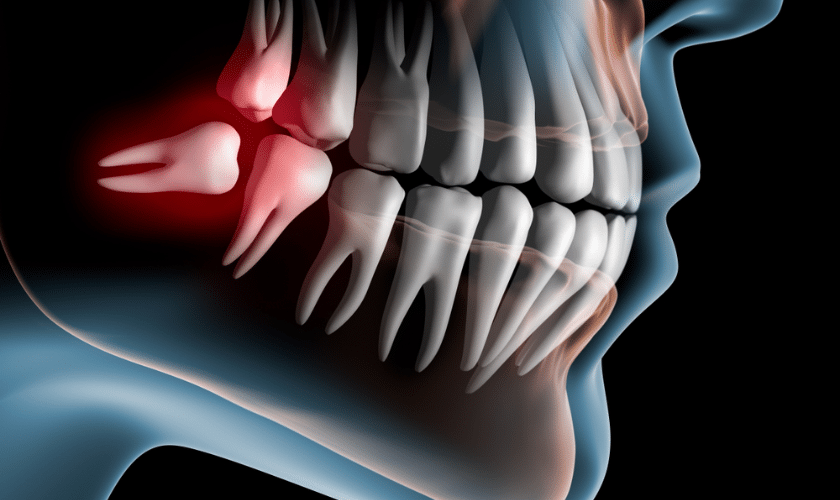
Wisdom teeth, also known as third molars, typically erupt between the ages of 17 and 25. While these teeth can be a valuable asset if they grow in properly, they often cause problems that necessitate their removal. Understanding the signs that indicate the need for wisdom teeth removal can help you maintain optimal oral health. In this comprehensive guide, we’ll explore the various factors to consider when determining whether you need your wisdom teeth removed.
Understanding Wisdom Teeth:
The final group of molars to erupt in the back of the mouth are the wisdom teeth. Four wisdom teeth, one in each corner of the mouth, are present in most persons. On the other hand, some people frequently have more wisdom teeth than others.
For many individuals, wisdom teeth do not cause any issues. However, due to factors such as limited space in the jaw, these teeth often become impacted, meaning they are unable to fully emerge. Impacted wisdom teeth can lead to a host of oral health problems, including infection, pain, and damage to surrounding teeth.
Indications That Your Wisdom Teeth May Need to Be Removed:
Pain and Discomfort:
One of the most common indicators that you may need your wisdom teeth removed is persistent pain and discomfort in the back of your mouth. This pain can range from mild to severe and may be accompanied by swelling and tenderness.
Difficulty Chewing:
Impacted wisdom teeth can make it difficult to chew properly, leading to discomfort and even malnutrition if left untreated. If you experience difficulty chewing, especially in the back of your mouth, it may be a sign that your wisdom teeth need to be removed.
Swelling and Inflammation:
Swelling and inflammation around the gums in the back of your mouth can be a sign of an infection caused by impacted wisdom teeth. If you notice swelling or redness in this area, it’s essential to consult with a dentist promptly.
Jaw Stiffness:
Impacted wisdom teeth can put pressure on surrounding teeth and the jawbone, leading to stiffness and discomfort. If you experience persistent jaw stiffness, particularly in the morning or after waking up, it could indicate a problem with your wisdom teeth.
Difficulty Opening Your Mouth:
In severe cases, impacted wisdom teeth can cause difficulty opening your mouth fully. If you find it challenging to open your mouth or experience pain when doing so, it’s crucial to seek professional dental care.
Cysts or Tumors:
In some cases, impacted wisdom teeth can lead to the development of cysts or tumors in the jawbone. These growths can cause pain, swelling, and other complications and may require surgical removal.
Damage to Surrounding Teeth:
Impacted wisdom teeth can exert pressure on neighboring teeth, causing them to shift out of alignment or become damaged. If you notice changes in the alignment of your teeth or experience pain or sensitivity in adjacent teeth, it may be due to your wisdom teeth.
Consulting with a Dentist in Lancaster:
If you experience any of the signs mentioned above or suspect that your wisdom teeth may be causing problems, it’s essential to schedule a consultation with a qualified dentist. A dentist can evaluate your oral health, take X-rays to assess the position of your wisdom teeth, and recommend appropriate treatment options.
In Lancaster, there are several reputable dental practices staffed by experienced professionals who specialize in wisdom teeth removal and other oral surgeries. By seeking prompt dental care, you can address any issues with your wisdom teeth before they worsen and ensure optimal oral health and well-being.
Treatment Options for Wisdom Teeth Removal:
If your dentist determines that your wisdom teeth need to be removed, they will discuss the treatment options available to you. Wisdom teeth removal can typically be performed under local anesthesia, sedation, or general anesthesia, depending on the complexity of the procedure and your preferences.
There are two primary methods for removing wisdom teeth:
Simple Extraction:
If your wisdom teeth have fully emerged and are not impacted, a simple extraction may be performed. During this procedure, the dentist will numb the area with local anesthesia and use forceps to gently remove the tooth from its socket.
Surgical Extraction:
If your wisdom teeth are impacted or have not fully emerged, surgical extraction may be necessary. This procedure involves making an incision in the gum tissue to access the tooth and may require the removal of bone or cutting the tooth into smaller pieces for easier extraction.
Recovery and Aftercare:
Following wisdom teeth removal, it’s essential to follow your dentist’s post-operative instructions carefully to promote healing and prevent complications. This may include:
Taking prescribed pain medications as directed to manage discomfort
Applying ice packs to reduce swelling and inflammation
Eating soft foods and avoiding hard, crunchy, or spicy foods that could irritate the surgical site
Avoiding strenuous physical activity and smoking, which can impede healing
Practicing good oral hygiene by gently brushing and rinsing with saltwater as directed
Attending follow-up appointments with your dentist to monitor your recovery progress
Wisdom teeth removal is a common dental procedure that can help alleviate pain, prevent oral health problems, and preserve the health and function of your smile. By understanding the signs that indicate the need for wisdom teeth removal and seeking prompt dental care, you can maintain optimal oral health and well-being.
If you’re experiencing symptoms such as pain, swelling, or difficulty chewing, don’t hesitate to schedule a consultation with a dentist in Lancaster. A qualified dental professional can assess your oral health, recommend appropriate treatment options, and guide you through the wisdom teeth removal process with care and compassion. Don’t let wisdom teeth pain hold you back – take control of your oral health today!