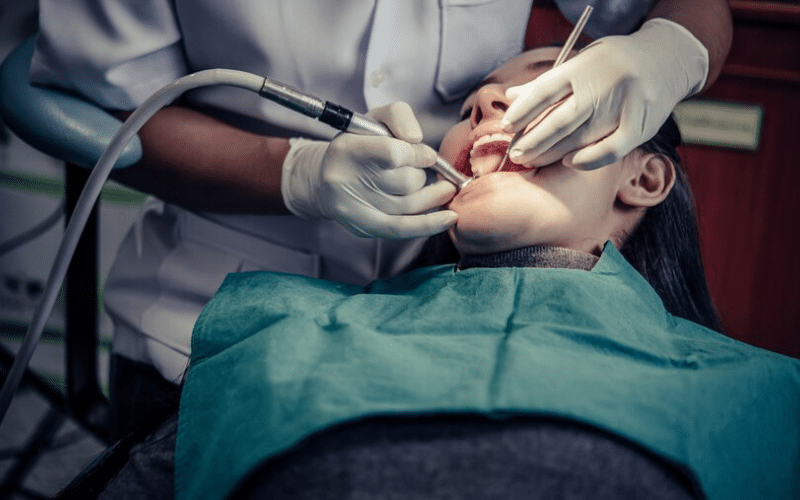
Wisdom teeth can cause confusion and concern. Many people wonder if they should keep them or say goodbye. If you’re unsure whether it’s time to get your wisdom teeth removed, you’re not alone. Recognizing the signs can save you from pain and complications later.
What Are Wisdom Teeth?
Let’s clarify. Wisdom teeth are the third set of molars at the back of your mouth. They typically emerge between 17 and 25 years old. For some, they come in without issues. For others, they can cause overcrowding and infections.
Sign 1: Crowding of Other Teeth
Crowding is a common reason to get your wisdom teeth removed. Do your other teeth feel cramped? Does your smile seem off? If so, your wisdom teeth might be pushing them out of alignment. When there’s not enough space, your smile can become crooked. This can lead to braces later.
Sign 2: Pain or Discomfort
Pain is your body’s warning sign. If you feel discomfort in the back of your mouth, it might indicate a problem with your wisdom teeth. This pain can feel like aching, throbbing, or sharp sensations. Don’t ignore it! Impacted wisdom teeth can breed bacteria. This can lead to infections and more serious issues.
Sign 3: Swollen or Bleeding Gums
Swollen or bleeding gums around your wisdom teeth can signal a problem. This could mean gum disease or infection. Do you feel discomfort when brushing or flossing? Do you have persistent bad breath? If yes, consult your dentist. Ignoring these symptoms can lead to bigger dental issues.
Sign 4: Cysts or Tumors
Cysts or tumors can form around impacted wisdom teeth. These growths can damage your jawbone and nearby teeth. Do you notice unusual swelling? Did your dentist find a cyst during a check-up? If so, it might be time to consider removal. Catching these issues early prevents more serious problems.
Sign 5: Frequent Headaches or Jaw Pain
Unexplained headaches or jaw pain might come from your wisdom teeth. Impacted teeth can create tension and pressure. This tension can lead to discomfort in your jaw. It might radiate into your head and cause headaches. If you reach for pain relievers often, it’s time for an evaluation.
Sign 6: Bad Breath You Can’t Shake
Bad breath is embarrassing. If brushing and flossing don’t help, it may be time to get your wisdom teeth removed. Impacted teeth can trap food and bacteria. This buildup causes foul odors. If your breath has a persistent odor, see a dentist to rule out any issues.
The Risks of Delaying Wisdom Tooth Removal
Procrastination can lead to problems. Ignoring the signs can result in serious complications. Impacted teeth can cause infections and damage nearby teeth. If you wait for pain to strike, you may end up in a dental emergency. Act before the issues escalate.
How to Prepare for Wisdom Tooth Removal?
If you decide to move forward, here’s what to expect. Your dentist will take X-rays to check the position of your wisdom teeth. They will develop a personalized treatment plan. On the day of the procedure, you’ll receive anesthesia for comfort. After the removal, follow your dentist’s aftercare instructions. This may include soft foods, ice packs, and rest to minimize swelling.
The Long-Term Benefits of Removal
Removing your wisdom teeth isn’t just about immediate relief. It’s about protecting your oral health in the long run. By addressing potential issues now, you invest in your smile. With your wisdom teeth out, enjoy a more comfortable mouth. You’ll feel confident knowing you’ve taken proactive steps for your dental health.
If you’re unsure whether your wisdom teeth need removal, consider consulting with your dentist Lancaster, CA. Get the insight you need to make the best decision for your smile.t you need to make the best decision for your smile.
FAQs About Wisdom Teeth Removal
A: It’s a good idea to have your wisdom teeth evaluated by a dentist in your late teens, around 16 to 18 years old.
A: No, you should not drive yourself home after the procedure, especially if you receive sedation. Arrange for someone to take you.
A: Avoid hard, crunchy, or spicy foods. Stick to soft foods like yogurt, applesauce, and smoothies for a smoother recovery.
A: Use over-the-counter pain relievers as recommended by your dentist. Applying ice packs can also help reduce swelling and discomfort.
A: Yes, potential risks include dry socket, infection, or nerve damage. However, these complications are rare when you follow your dentist’s post-operative care instructions.