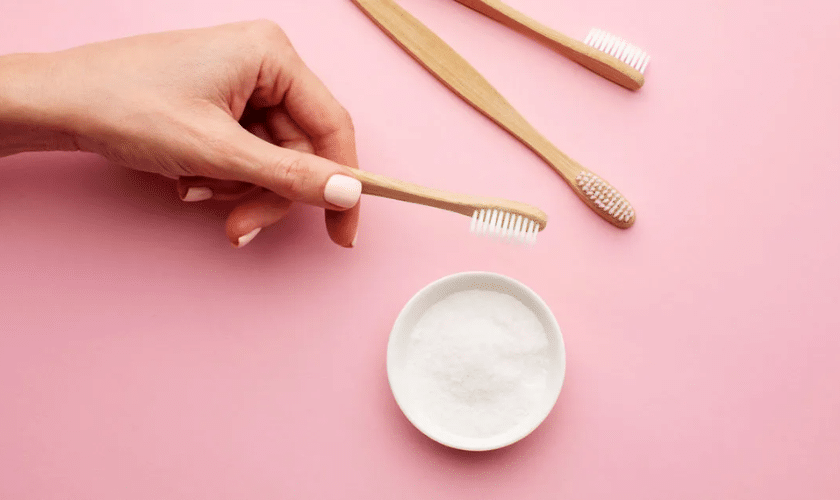
For centuries, people have explored natural remedies for maintaining good health, and oral care is no exception. Many have chosen to use salt to brush their teeth as part of their home dental hygiene routines. But is this a wise decision? Let’s delve into the world of salty smiles to explore the pros, cons, and better alternatives for keeping your pearly whites healthy.
The Allure of Salt: Why Consider It?
Salt, primarily sodium chloride, boasts some properties that might seem attractive for oral care:
Mild Abrasiveness:
Salt has a slightly gritty texture, which can aid in scrubbing away surface stains from teeth caused by food and beverages.
Antibacterial Properties:
Salt possesses natural antibacterial properties, potentially helping reduce oral bacteria associated with plaque buildup.
Soothing Relief:
A saltwater rinse can provide temporary relief for minor gum irritation or mouth sores.
The Flip Side of the Coin: Potential Downsides of Salt Brushing
While these aspects might seem appealing, there are significant drawbacks to consider before using salt to brush your teeth:
Enamel Erosion:
Salt’s abrasiveness, though mild, can be detrimental to tooth enamel, the hard outer layer protecting your teeth. Over time, using salt to brush can wear down the enamel, increasing sensitivity and making teeth more susceptible to decay.
Lack of Fluoride:
Fluoride is a crucial component in modern toothpaste. It strengthens tooth enamel, remineralizes areas with early decay, and fights cavities. Salt, unfortunately, doesn’t offer these benefits.
Limited Effectiveness:
Salt’s ability to remove plaque is minimal compared to formulated toothpaste containing specific ingredients that target plaque buildup effectively.
Gum Irritation:
The abrasive nature of salt can irritate gum tissue, especially with frequent use.
Saltwater Rinses: A Better Option for Occasional Use
While it’s not recommended to use salt to brush directly, a saltwater rinse can be a beneficial addition to your oral hygiene routine, especially for occasional relief. Here’s how to make a saltwater rinse:
- Half a teaspoon of table salt should dissolve in a warm glass of water.
- Swish thoroughly for 30 seconds, focusing on areas with gum irritation or mouth sores.
- Spit and rinse your mouth with plain water.
Remember, saltwater rinses are for temporary relief, not a replacement for proper brushing and flossing.
The Champion: Fluoride Toothpaste for Complete Care
For optimal oral health, a dentist-recommended fluoride toothpaste is the gold standard. Here’s why:
Effective Cleaning:
Modern toothpaste formulations contain abrasives gentler than salt but powerful enough to remove plaque and surface stains effectively.
Fluoride Powerhouse:
Fluoride strengthens enamel, prevents cavities, and promotes remineralization.
Additional Benefits:
Many kinds of toothpaste offer additional benefits like tartar control, breath freshening, and gum health support.
Crafting a Winning Oral Hygiene Routine
Here’s how to create a stellar oral hygiene routine that keeps your smile healthy and bright:
- Brush twice daily for two minutes using a soft-bristled toothbrush and fluoride toothpaste.
- To get food particles and plaque out from between your teeth, floss every day.
- Consider a tongue scraper to remove bacteria from the tongue, which can contribute to bad breath.
- Maintain a healthy diet by limiting sugary foods and drinks that contribute to tooth decay.
- Schedule regular dental checkups and cleanings with a dentist like a Lancaster Dentist for professional evaluation and cleaning.
Remember, consistency is key! Sticking to a good oral hygiene routine will ensure your smile stays healthy and confident for years to come.
Beyond the Basics: Exploring Natural Alternatives
If you’re interested in natural oral care options, consult your dentist before incorporating them into your routine. Here are some possibilities:
Baking soda:
A mild abrasive that can help remove surface stains, but it lacks the benefits of fluoride.
Coconut oil pulling:
This method involves swishing coconut oil in your mouth for a specific time. While some claim benefits, research on its effectiveness is limited.
Herbal toothpaste:
These natural toothpastes often contain herbs and essential oils. Be cautious, as some may not contain fluoride and might have a higher abrasive content.
The Final Verdict: Salt Your Food, Not Your Teeth
While some people might use salt to brush their teeth, it’s best to stick to dentist-approved solutions. A well-rounded oral hygiene routine with regular brushing using fluoride toothpaste, flossing, and professional dental care is the key to a healthy smile. Ditch the salt shaker and embrace a proper approach to maintain a bright, beautiful smile!