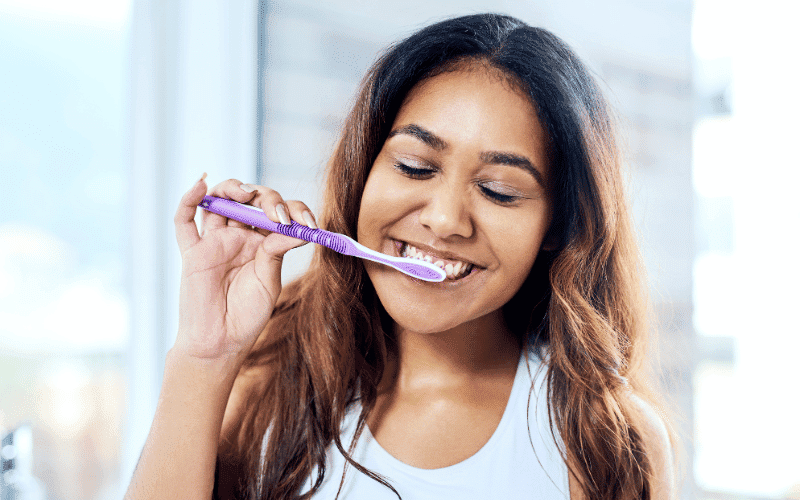
You might brush your teeth twice a day and floss regularly, but did you know your oral health goes far beyond a pearly white smile? It’s surprisingly interconnected with your overall well-being. Here’s a deep dive into how a healthy mouth translates to a healthier you.
The Mouth: A Gateway to Your Health
Your mouth is teeming with bacteria, both harmful and beneficial. While a healthy balance exists naturally, poor oral hygiene allows harmful bacteria to flourish. This can trigger inflammation in the mouth, which can enter the bloodstream and potentially contribute to various health problems.
Oral Health and Systemic Diseases
Research has established links between poor oral health and an increased risk for several chronic conditions. Here are some key connections:
- Heart Disease: Studies suggest gum disease (periodontitis) might be a risk factor for heart disease. The inflammatory process in the gums can contribute to the buildup of plaque in arteries, increasing the risk of heart attack and stroke.
- Diabetes: Diabetes can affect your body’s ability to fight infection, increasing the risk of gum disease. Conversely, gum disease can make blood sugar control more challenging for people with diabetes.
- Respiratory Illness: Research suggests poor oral health might increase the risk of developing pneumonia or other respiratory infections.
- Pregnancy Complications: Severe gum disease has been linked to an increased risk of premature birth and low birth weight.
Oral Health and Your Immune System
Your mouth is a gateway to your respiratory and digestive systems. Poor oral hygiene can create an environment where harmful bacteria thrive, potentially weakening your immune system and making you more susceptible to infections.
Oral Health and Mental Well-being
The impact of oral health goes beyond physical health. Missing or damaged teeth, chronic bad breath, and oral pain can significantly impact your self-esteem and confidence. This can lead to anxiety, social isolation, and even depression.
The Benefits of Good Oral Health
Maintaining good oral health doesn’t just prevent problems; it promotes overall well-being. Here are some key benefits:
- Reduced Risk of Chronic Disease: By managing inflammation and maintaining good oral hygiene, you can lower your risk of developing several chronic health conditions.
- Improved Immune Function: A healthy mouth with good bacterial balance strengthens your immune system, helping your body fight off infections effectively.
- Enhanced Confidence: A healthy smile promotes confidence and well-being, allowing you to smile freely and interact socially without self-consciousness.
- Improved Quality of Life: Good oral hygiene allows you to eat, speak, and function comfortably, contributing to a higher quality of life.
Taking Charge of Your Oral Health
Here are some essential steps to maintain good oral health and promote overall well-being:
- Brushing your teeth twice a day and flossing daily: This removes plaque and bacteria that contribute to gum disease and tooth decay.
- Regular dental checkups and cleanings: Schedule regular appointments with your dentist in Lancaster for professional cleanings and to monitor your oral hygiene.
- Maintaining a healthy diet: Limit sugary foods and drinks that can promote tooth decay and gum disease.
- Don’t smoke: Smoking is a major risk factor for oral cancer and gum disease.
Partnering with Your Dentist
A qualified dentist in Lancaster can be your partner in achieving and maintaining good oral hygiene. They can provide preventative care, diagnose and treat dental problems, and offer guidance on maintaining a healthy mouth.
Taking care of your oral health is an investment in your overall well-being. By prioritizing good oral hygiene practices and regular dental visits, you can reap the benefits of a healthy smile and a healthier you!
Additional Tips:
- Invest in a good quality electric toothbrush.
- Consider using mouthwash as part of your oral hygiene routine.
- Manage stress effectively, as stress can exacerbate oral health problems.
- Drink plenty of water throughout the day to stay hydrated and promote saliva production.
Frequently Asked Questions About Oral Health and Overall Well-being
Here are some frequently asked questions regarding the connection between oral health and overall well-being:
Q: Can neglecting my oral health cause bad breath (halitosis)?
A: Yes, absolutely. Poor oral hygiene allows bacteria to multiply in your mouth, leading to the production of foul-smelling compounds that contribute to bad breath.
Q: I have a chronic medical condition. How can oral health affect it?
A: Certain medical conditions like diabetes can impact your oral hygiene, and vice versa. Maintaining good oral health can help manage chronic conditions and improve your overall well-being.
Q: I’m pregnant. How important is oral health during pregnancy?
A: Pregnant women are at an increased risk for gum disease due to hormonal changes. Gum disease has been linked to pregnancy complications like premature birth and low birth weight. Maintaining good oral hygiene is crucial during pregnancy.
Q: I’m nervous about going to the dentist. What can I do?
A: Many people experience dental anxiety. Talk to your dentist in Lancaster about your concerns. They can offer gentle and calming techniques to make your dental visit a more comfortable experience.
Q: How can I find a good dentist in Lancaster?
A: There are several resources available to help you find a qualified dentist in Lancaster:
- Ask your friends or family for recommendations.
- Search online directories like Zocdoc or Healthgrades.
- Look for a dentist who accepts your insurance.
- Read online reviews of dentists in your area.
The connection between your oral health and overall well-being is undeniable. By prioritizing good oral hygiene and preventive dental care, you can invest in a healthier smile and a healthier you. Consulting with a qualified dentist in Lancaster is the first step towards achieving optimal oral hygiene and unlocking a lifetime of well-being. Remember, a healthy smile is not just about aesthetics; it’s a powerful reflection of your overall health and well-being.