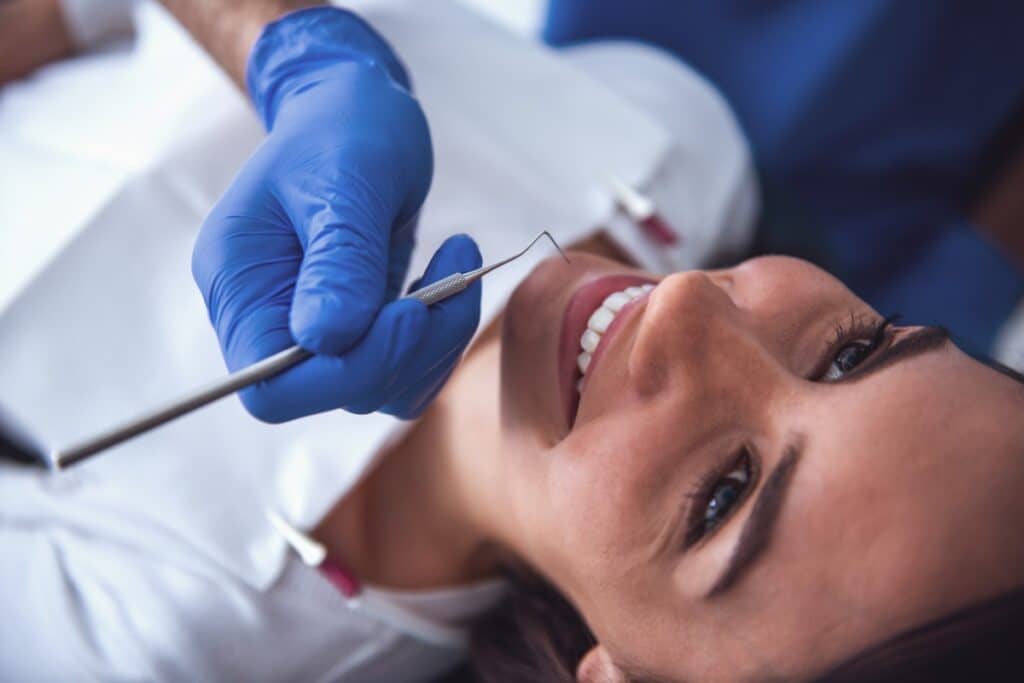
As we age, our bodies undergo many changes, and our oral health is not an exception. Aging brings various challenges that affect our oral health. For example, seniors face different oral health challenges, such as dry mouth, tooth decay, and gum disease. Thus, it is vital to seek the best advice on the steps to take to ensure your oral health is in the best condition at all times. If you are in Lancaster, CA, this blog provides detailed information about your oral health.
In this blog, we’ll talk about some essential oral care tips that can help an older adult maintain a bright and healthy smile for years to come. Whether you’re working with dentures, coping with gum recession, or seeking ways to make your daily oral care routine more effective, these suggestions should help!
Understanding the Impact of Aging on Oral Health
When you grow old, you will notice some changes in the condition of your teeth and gums. Some of these changes can cause problems, and taking proper care of your teeth will help ensure you enjoy good oral health. Let’s see how growing old affects you:
- Dry Mouth: As people age, salivary secretion often decreases. This can cause dry mouth, which can lead to tooth decay and gum problems.
- Tooth Sensitivity: When gum recedes with age, the roots of teeth are exposed, and one can suffer from sensitivity to hot or cold food and drink.
- Gum Disease: Older people are more susceptible to gum disease, which can lead to tooth loss if left untreated.
If these problems are addressed from the outset and you take proper care by visiting a dentist in Lancaster, CA, you can have healthy teeth and a sparkling smile.
Oral Care Tips for Seniors: Keep Your Smile Healthy
If you are seeking tips on ways to help maintain oral health as one gets older, consider the following:
1. Brush and Floss Regularly
Brushing teeth at least twice a day is essential for removing plaque and preventing tooth decay. A soft-bristle toothbrush should be used to clean your teeth. In addition, your toothpaste should contain fluoride.
Daily flossing is equally important. It allows you to remove food particles and plaque that may be trapped between your teeth and under your gums, where your toothbrush cannot reach. This simple habit can also help you prevent gum disease and tooth cavities.
2. Stay Hydrated and Use a Humidifier
Furthermore, seniors may experience dry mouth regularly; it is advisable to drink enough water throughout the day to stay hydrated. Additionally, using a humidifier in your bedroom can help maintain moisture in your mouth while you sleep.
Additionally, think about using saliva substitutes if your mouth is very dry. These products help to moisten your mouth and make it less uncomfortable.
3. Enjoy a Healthy Diet
A balanced diet plays a vital role in maintaining oral health. A good supply of fruits and vegetables can help naturally clean teeth and provide the nutrients needed for strong, healthy teeth.
In particular, sugary snacks and drinks should be avoided, as they can cause tooth decay. Healthy alternatives can include nuts, cheese, and leafy greens.
4. Visit Your Dentist Regularly
Although it is good to brush and floss regularly, a visit to your dentist in Lancaster, CA, for routine checkups and cleanings is paramount. By visiting your dentist regularly for checkups, you can address conditions such as tooth decay, gum disease, and oral cancer before they become major health concerns.
During these visits, your dentist can also provide a professional cleaning that removes plaque and tartar that regular brushing cannot remove.
5. Consider Dental Sealants or Fluoride Treatments
Dental sealants, also known as plastic coatings, are thin layers that your dentist applies to the top parts of your back teeth. These may help prevent cavities. For seniors, a fluoride treatment may help prevent cavities.
Your dentist can advise you on whether these treatments are appropriate for you, based on your dental health.
6. Take Care of Dentures or Bridges
If you are wearing dentures or bridges, it is crucial that you properly maintain them. This means ensuring you clean them properly and avoid exposing them to harmful products that could damage them. In addition, make sure you rinse your dentures after each meal to remove food particles and bacteria. If you have any problems with your dentures, you should consult your dentist.
7. Quit Smoking
Smoking is one of the leading causes of gum disease and eventual loss of teeth. Smoking also leads to halitosis and oral cancer. Smoking should be stopped because it has both oral health and overall health risks.
Why Regular Dental Visits Matter for Seniors
Regular dental visits are essential as you grow older. In fact, your dentist can detect other oral health changes you may be experiencing, such as gum recession, weakened enamel, and dry mouth. By addressing these issues, you can avoid severe oral health problems and costly dental procedures.
Regular visits also allow your dentist in Lancaster, CA, to provide professional cleanings that remove plaque and tartar, which can lead to cavities and gum disease.
Conclusion: Prioritize Your Oral Health Today
Maintaining our oral health is essential at every stage of life. In our later years, following the oral care tips provided here is imperative to prevent dental complications that may arise.
At Dental Specialty Care of Lancaster, we are committed to helping you keep your oral health in top condition with personalized services and expert information. If you need a checkup or help with your dental care regimen, call us today to book your appointment. We are here to help you keep your dental health in top shape.
Your oral health is essential at any age. Schedule your next check-up appointment with us at Dental Specialty Care of Lancaster today!
Common Questions People Ask
Seniors should visit the dentist at least twice a year for regular checkups and cleanings.
Staying hydrated and using a saliva substitute can help alleviate dry mouth. Avoiding caffeinated and alcohol-containing beverages can also help prevent dry mouth.
No, dental sealants can be helpful for adults or seniors, who often have cavities in their back teeth.
Bleeding gums are one of the most common symptoms of gum disease. Consult a dentist about an assessment and treatment options.