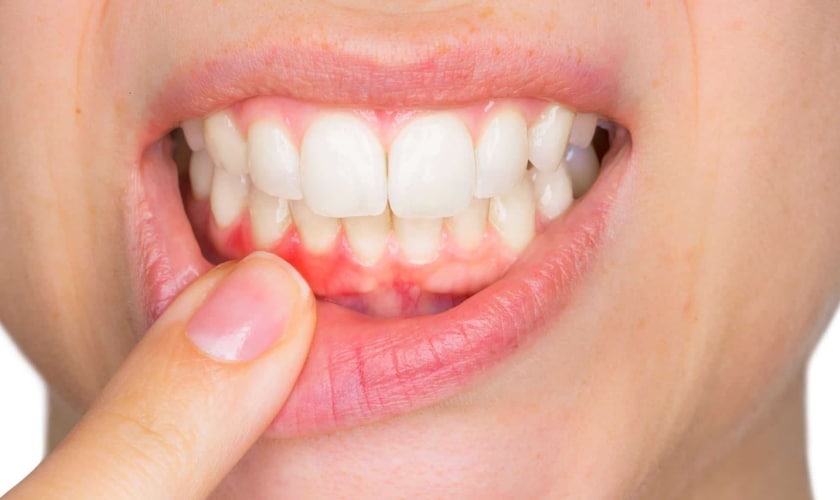
Gum graft surgery is a procedure where gum tissue is transplanted to areas experiencing gum recession. Understanding the recovery timeline is crucial for setting realistic expectations and ensuring a smooth healing process. In this blog post, we will explore the step-by-step recovery process after gum graft surgery, providing helpful tips and insights into managing discomfort and pain. By the end, you will be equipped with the knowledge to navigate the recovery journey with confidence and achieve long-term gum health.
The Immediate Post-Surgery Period:
Use gauze and ice packs: Following gum graft surgery, gauze pads, gentle pressure, and intermittent ice packs are provided to control bleeding, promote clotting, and reduce swelling.
Take prescribed pain medication: Post-gum graft surgery, soreness and discomfort may be managed with prescribed pain medication, and concerns or allergic reactions should be discussed with the healthcare provider in Dental Specialty Care.
Maintain oral hygiene with care: Maintain oral hygiene to prevent infection, brush and floss gently, avoid graft area, and consult dentist for special mouth rinse or care instructions.
Follow dietary restrictions: For the initial 24-48 hours, maintain a soft-food diet, avoiding spicy, hot, or hard foods, and opt for cool, soothing options like yogurt, mashed potatoes, and smoothies.
Rest and avoid strenuous activities: Following surgery, it’s crucial to ensure adequate rest and avoid vigorous physical activities for a few days to minimize strain on the graft and reduce the risk of complications.
Attend follow-up appointments: Following surgery, follow-up appointments with a dentist or periodontist are crucial for monitoring healing progress and ensuring proper care for the graft area.
Post-surgery, optimize recovery by following these steps, consult with healthcare providers for personalized advice, and set a solid foundation for weeks to come.
The First Week Of Recovery:
Stick to a soft-food diet: During the first week, avoid hard or crunchy foods, opt for soft foods like soups, mashed vegetables, and smoothies, and incorporate nutrient-rich foods for healing.
Practice proper oral hygiene: Brush teeth twice daily, avoid graft area, rinse mouth with mild saltwater solution after meals, and follow dentist’s instructions for cleanliness and healing.
Manage discomfort: Initially, discomfort and sensitivity may occur. Administer prescribed pain medication, over-the-counter pain relievers, and apply a cold compress to reduce swelling and alleviate discomfort.
Avoid smoking and alcohol: Smoking and alcohol consumption can impede healing by reducing blood flow and increasing complications, so it’s advisable to avoid these activities during the first week or throughout the recovery period.
Limit physical activity: Maintaining physical activity during the first week of recovery is crucial for overall health, but avoid strenuous activities to allow the body time to heal.
Follow post-operative care instructions: Post-operative care instructions from your dentist or periodontist may include avoiding certain mouthwashes, rinsing with a special solution, and additional precautions to protect the graft.
Attend follow-up appointments: Attending follow-up appointments during the first week of recovery is crucial for healthcare providers to monitor progress, remove sutures if needed, and address any concerns or questions.
Follow these actions during the first week of recovery to promote healing and guarantee a successful gum graft operation. For personalized advice, see a dentist or periodontist.
Weeks 2-4: Healing And Progress:
Reduced swelling and discomfort: During weeks 2-4, swelling and discomfort may decrease, and the graft site will heal. Maintain proper oral hygiene and adhere to post-operative instructions.
Protective scab formation: During the healing process, a protective scab may form over the graft site, requiring patient care and allowing the scab to naturally slough off.
Gradual resumption of normal activities: Resume normal activities in weeks 2-4, but avoid activities putting excessive strain on the graft site. Consult your dentist or periodontist for specific guidelines.
Follow-up appointments: Attend follow-up appointments regularly to monitor healing progress, remove remaining sutures, and receive further guidance based on your recovery, ensuring proper support throughout your healing journey.
Monitor and report any concerns: During weeks 2-4, monitor the graft site for signs of infection or other issues, and contact your healthcare provider if you experience severe pain, bleeding, or other concerning symptoms.
Maintain a healthy lifestyle: Maintaining a healthy lifestyle, including brushing and flossing, using mouth rinses, maintaining a balanced diet, and avoiding smoking habits, is crucial for overall oral health during healing.
After gum graft surgery, healing progresses in weeks 2-4. However, individual timelines may vary. Consult with a healthcare provider for optimal healing and successful outcome.
Long-Term Recovery Expectations:
Full recovery timeline: The recovery time from gum graft surgery varies, typically a few weeks to months, with restoration of gum health potentially continuing over a longer period.
Individual factors: Recovery timeline depends on health, gum recession, post-operative care quality, oral hygiene, and pre-existing medical conditions. Discuss with healthcare providers for personalized assessment.
Follow-up appointments and monitoring: Regular follow-up appointments with your dentist or periodontist are crucial for monitoring progress, evaluating graft success, and addressing potential issues during the long-term recovery process.
Compliance with post-operative instructions: Adherence to healthcare provider’s post-operative instructions, including maintaining oral hygiene, attending appointments, and adhering to dietary or activity restrictions, is crucial for optimal recovery results.
Continued gum health maintenance: After recovery, maintain good oral hygiene by brushing and flossing regularly, using mouth rinses, maintaining a balanced diet, quitting smoking, and scheduling regular dental check-ups in Dental Specialty Care.
The gradual recovery process from gum graft surgery requires patience, post-operative care, and ongoing communication with healthcare providers to ensure long-term success and optimal gum health.
Understanding the recovery timeline after gum graft surgery is crucial for setting realistic expectations and ensuring a smooth healing process. Adhering to post-operative care instructions, managing discomfort, following dietary restrictions, and attending follow-up appointments can support the healing process. For personalized advice, talk to any health care center.