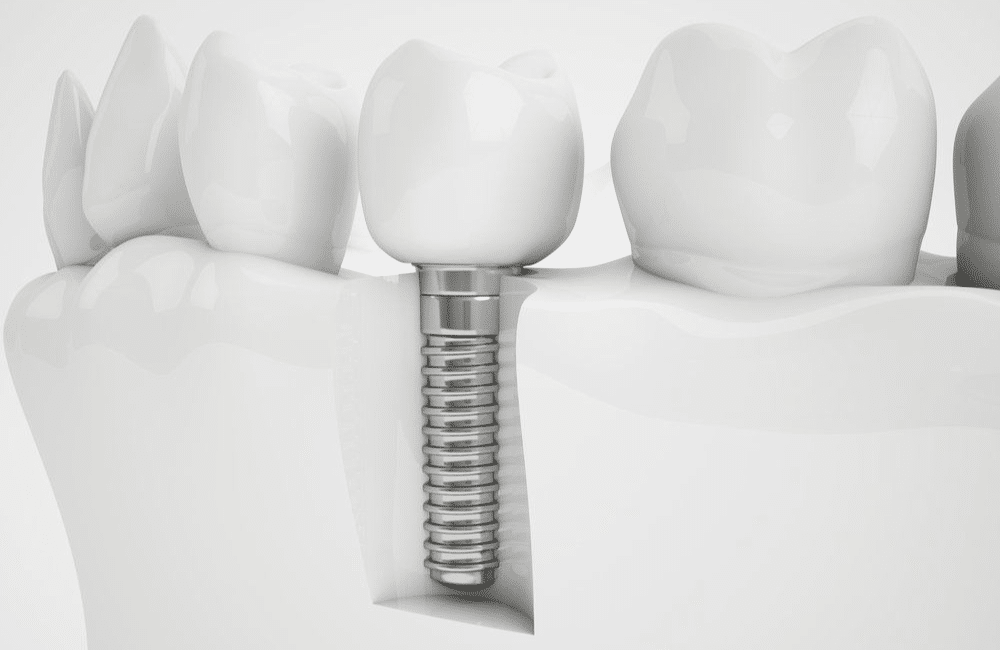
In the realm of modern dentistry, dental implants have revolutionized the way we approach tooth replacement. A dental implant is a titanium post surgically inserted into the jawbone to support a replacement tooth or bridge. While this procedure has become increasingly popular, one common question prevails: What is the earliest age for a tooth implant? In this blog, we’ll delve into the intricacies of artificial tooth implants, explore the factors influencing the ideal age for the procedure, and provide insights that make this dental marvel relatable to people of all ages.
Understanding Dental Implants
Before we dive into the ideal age for dental implants, let’s unravel the basics. A tooth implant is like a sturdy anchor for a replacement tooth, mimicking the natural structure of a tooth root. This tiny titanium post fuses with the jawbone, creating a solid foundation for the attachment of a crown, bridge, or denture. artificial tooth implants are celebrated for their durability, natural appearance, and functionality, making them a preferred choice for tooth replacement.
Factors Influencing The Ideal Age
Jaw Development:
One critical factor influencing the ideal age for artificial tooth implants is the stage of jaw development. The jawbone needs to be fully developed to ensure the stability and longevity of the implant. Typically, this means waiting until the late teens or early twenties, when most individuals have reached skeletal maturity.
Oral Health:
Another key consideration is the overall oral health of the individual. Good oral hygiene practices, healthy gums, and a proper bone structure contribute to the success of dental implants. For younger individuals, it’s crucial to assess if their oral health is conducive to the implant procedure.
Patient Commitment:
Dental implants require commitment and responsibility from the patient. This involves maintaining excellent oral hygiene, attending regular check-ups, and avoiding habits that could compromise the implant’s success, such as smoking. The ideal candidate, regardless of age, is someone committed to long-term oral health.
Medical History:
A thorough evaluation of the patient’s medical history is essential. Certain medical conditions or medications may affect the success of tooth implants. Open communication between the patient and the dental team is vital to ensure a comprehensive understanding of any potential risks.
Mary’s Journey: A Teenager’s Smile Regained
A vibrant teenager, Mary lost a front tooth due to a sports injury. Concerned about her appearance and the impact on her self-esteem, Mary and her parents consulted with a dental professional. Despite being on the younger side, Mary’s jaw had developed sufficiently, making her a candidate for a dental implant.
Mary’s dental team guided her through the procedure and provided emotional support. The implant restored her smile and gave her the confidence to continue pursuing her passions in sports without fear of compromising her dental health.
John’s Second Chance: Embracing Dental Implants in His Fortie
John, in his forties, faced the challenge of multiple missing teeth due to years of neglect and dental issues. Initially hesitant about tooth implants, John was reassured by his dentist, who explained the advancements in implant technology. John’s commitment to improving his oral health, coupled with the personalized care from his dental team, made the procedure a success. John’s story highlights that dental implants aren’t exclusive to younger individuals. With advancements in dental care, people in their forties and beyond can still benefit from this transformative procedure.
Grandma Betty: Rediscovering the Joys of Eating
Betty, a lively grandmother in her seventies, struggled with ill-fitting dentures that hindered her ability to enjoy her favorite meals. Dental implants became a game-changer for Betty, allowing her to savor the simple joys of eating and boosting her overall well-being. Betty’s experience emphasizes that age should not be a barrier to exploring artificial tooth implant options. It’s a testament to how this procedure can significantly enhance the quality of life, regardless of one’s senior status.
The ideal age for a dental implant is a nuanced consideration that takes into account various factors, including jaw development, oral health, patient commitment, and medical history. By humanizing the tooth implant experience through personal stories, we see that age is just one aspect of the equation.
Whether you’re a teenager, a middle-aged adult, or a grandparent, dental implants offer a transformative solution for restoring your smile and confidence. The key lies in open communication with your dental team, a commitment to oral health, and a personalized approach that considers your unique circumstances. In the world of dental care, tooth implants not only bridge the gap between missing teeth but also bridge generations, bringing smiles and renewed confidence to people of all ages.