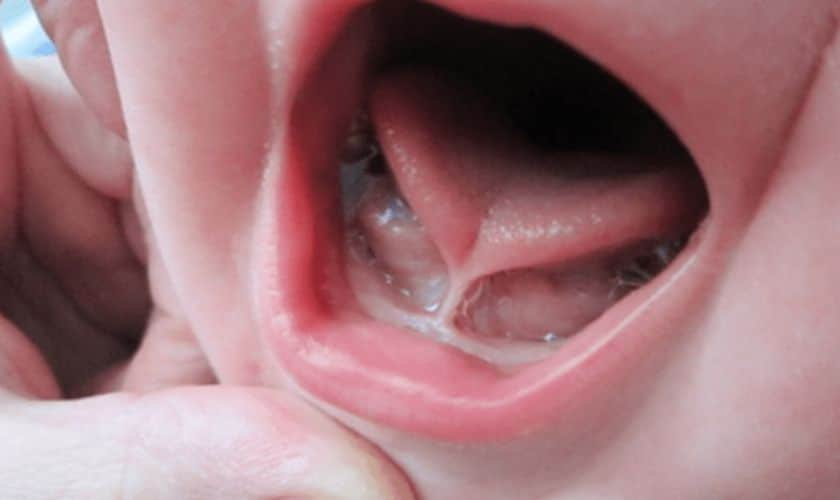
A frenectomy is a minor procedure that involves the removal of a piece of tissue connecting the tongue to the mouth. It may be performed on infants (for example, if breastfeeding is problematic) or adults who have difficulties with speech due to abnormal tension in their lingual frenum. There are several reasons why a patient may undergo this procedure:
Post-operative discomfort
- Pain: A baby’s skin is very sensitive and can be painful after the operation. You may notice your child rubbing his or her chin, cheeks, or lips. If you see this, apply an ice pack to the area for 15 minutes at a time. This will help relieve some of the pain.
- Discomfort: Your child may also have trouble sleeping because of swelling in his/her mouth from surgery; try giving him/her a sip of milk before bedtime to make him feel more comfortable (if he/she isn’t allergic).
- Swelling: Swelling occurs immediately after any type of surgery due to bleeding under tissue layers which results in fluid accumulation beneath the skin surface causing it to protrude outwardly like balloons filled with liquid rather than air bubbles like those found inside balloons filled with helium gas so as not too much pressure builds up inside them when inflated too quickly during inflation process; therefore always take care when inflating anything because once it starts inflating there’s no way stopping until finished unless we want something bad happen like popping one’s head open while blowing up something like balloons or even worse–exploding!
Swelling
Swelling is a common side effect of the procedure and can last for a few days. The swelling may be reduced by applying ice packs to the area or using pain medication as directed by your child’s doctor.
Bleeding
You can expect a little bleeding. Bleeding is usually not a problem and will go away on its own. If you see blood in the baby’s mouth, it may be scary, but don’t panic! It may just be that they have bitten their tongue or lip while sucking on something or while crying (or both). If this happens, try giving them something else to suck on like an ice chip or pacifier until the bleeding stops, and then give them back their bottle/breastfeed again once the bleeding has stopped completely. If there is still some concern about this amount of bleeding after 30 minutes then contact your doctor before continuing with feeding as it could be indicative of another issue such as an infection at the site where the frenectomy was performed
Sore throat
You may notice your infant has a sore throat and ear pain after the procedure. This is normal, so don’t worry. Pain in the jaw, neck, and shoulder can also be expected.
Difficulty in swallowing and breathing
- Swallowing and breathing difficulties are common.
- Symptoms of difficulty swallowing or breathing may include coughing, wheezing, and gagging. These symptoms are usually temporary, but if they do not improve within a few days you should contact your doctor.
- Your child’s doctor may prescribe medication to help manage the symptoms of difficulty swallowing or breathing such as pain medication (e.g., acetaminophen), antibiotics (to treat an infection), anti-inflammatory medications (to reduce swelling)
A localised infection (frenum abscess)
Frenum abscess is a rare complication of frenectomy in infants. A frenum abscess is usually caused by bacteria that enter the wound at the time of surgery and infect it, causing pus to build up in your child’s mouth near their gums. It can also result from an open area or sore on the lip where food gets trapped and causes an infection underneath the skin surface.
If your baby develops this condition, they will require antibiotics to treat it and drainage (removal) of any pus that has formed around their gums or lip area. This condition may take several weeks to heal completely; therefore it’s important not only for parents but also dentists who perform these procedures on infants every day!
Recovery time
The recovery time after frenectomy depends on the patient’s age and overall health. Younger children tend to recover faster than older children. In addition, younger children have less pain and discomfort than older children because their skin is more elastic and can stretch more easily. Older children have more pain and discomfort than younger ones because their skin is less elastic, which makes it harder for them to heal properly after surgery.
The Bottom Line
In conclusion, we hope that this article has given you a better understanding of what to expect after your child’s frenectomy. As with any surgical procedure, it is important to have a good understanding of what will happen before going into surgery. This will help reduce any unnecessary anxiety and give you peace of mind during this time.
Yes! The frenulum is a small piece of tissue that connects the tongue and the floor of the mouth, and it serves as a bridge between these two structures. Because of this, your child will still be able to breastfeed after surgery—they just won’t have a hard time doing it anymore.
No! Speech development begins with learning how to move their lips and tongue in order to form words, so it’s important that they are able to do this freely without any pain or discomfort. This is why we recommend that you wait until your child is at least 3 years old before performing this procedure on them.
There are some risks associated with all surgeries, including bleeding, infection, swelling and bruising at the site of surgery; however these risks are low if proper precautions are taken during recovery time following the procedure itself such as keeping stitches clean and dry; keeping stitches covered during showers or baths; avoiding activities such as playing sports for 1 week following surgery; avoiding smoking cigarettes for sometime.