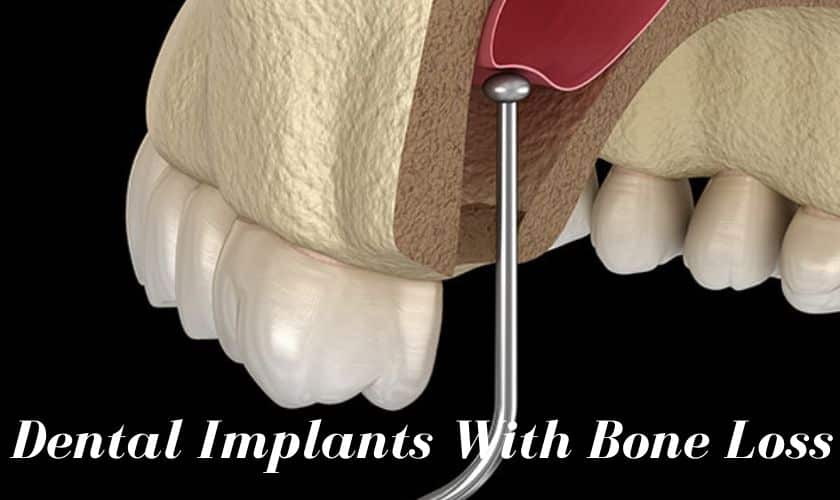
Bone loss or alveolar ridge resorption occurs when there is insufficient support for your teeth’s roots due to either damage or disease. Bone loss affects millions of Americans annually and can lead to severe dental issues. However, dental implants can still be an option for those with bone loss – if they are treated and managed properly. To understand how dental professionals address bone loss when considering dental implants, let’s take a closer look at the causes of bone loss and its treatments.
Causes of Bone Loss
Many factors, including lifestyle choices, dental diseases like periodontitis, aging, or trauma to the jawbone, can cause bone loss. In some cases, bone loss begins before there are even visible signs of it. Regular dental check-ups are essential to detect any potential bone loss in its early stages so that it can be addressed before dental implant surgery is considered.
Aging
Aging is a natural process that affects all aspects of the body, including dental health. As we age, it’s common for our teeth and gums to suffer the effects of bone loss due to wear and tear over time.
Lifestyle Choices
Lifestyle choices such as smoking or drinking can also contribute to bone loss in the jawbone. Smoking can cause periodontal disease, leading to bone resorption around dental implants. Alcohol can also damage dental bone tissue, making dental implants less successful if alcohol consumption is not curtailed before implant surgery.
Trauma
Traumatic injuries resulting from falls or other accidents may also lead to dental bone loss. The force of the impact can cause damage to dental structures, resulting in bone resorption.
Treatments for Bone Loss
Fortunately, dental professionals have several solutions available for those with bone loss who are considering dental implant surgery. These treatments focus on strengthening and restoring dental tissues around implants so dental implants can be placed successfully.
Bone Grafting
Bone grafting is a standard treatment to restore dental bones where tooth roots have been lost due to trauma or disease. During this procedure, healthy dental material is surgically inserted into areas of the jawbone where there is no longer any healthy tissue. It helps create a stable foundation for dental implants and increases dental bone density.
Sinus Lift
A sinus lift is often recommended for those with bone loss in the upper jaw. During this procedure, dental bone tissue is inserted into the area where the bone has been lost due to periodontal disease or aging. It helps restore dental structure and provides support for dental implants.
Platelet Rich Fibrin (PRF) Therapy
Platelet Rich Fibrin therapy is an advanced form of dental implant treatment that uses natural growth factors from the patient’s blood to spur new dental tissues around dental implant sites. It can help build up dental bones and make them more resistant to damage or further resorption after implant surgery.
Final Words
Bone loss can be a serious dental issue, and it’s essential to address it before dental implant surgery is considered. Thankfully, dental professionals have several treatments available to help restore dental bones around implants so that dental implant surgery can still be an option. If you are worried about dental bone loss, speak to your dentist or oral surgeon to learn more about how they can help.
Yes! With the right treatment and management, dental implants can still be successful, even if some bone loss is present. Your dentist or oral surgeon can advise you on the best action.
Dental bone loss is often caused by lifestyle choices such as smoking and drinking. It’s essential to keep your dental health in check and practice good dental hygiene habits, such as brushing twice daily and flossing regularly.
The most common sign of dental bone loss is receding gums or loosening teeth. Other symptoms include pain, sensitivity, bad breath, and an uneven jawline. If you notice any of these symptoms, it’s essential to contact your dentist right away for diagnosis and treatment.